Why Your Dog or Cat Stinks: Hidden Causes of Pet Odor and Natural Remedies
Have you ever hugged your dog and immediately wanted to wash your hands?
Or petted your cat and wondered where that smell was coming from?
A few years ago, I was visiting a friend who had several cats.
As we sat talking, one of her cats jumped up beside me and I started giving him a good scratch.
A few minutes later, I absentmindedly brought my hand near my face.
I almost fell over.
The smell was overwhelming.
It wasn’t a normal cat smell. It was strong, sour, and unpleasant.
My friend had become so accustomed to the odor that she barely noticed it anymore.
That experience reminded me of something I see all the time with pet parents.
Many people become so used to their pet’s odor that they assume it’s normal.
It’s not.
If you’ve ever found yourself constantly bathing your pet, buying deodorizing sprays, or wondering why your dog or cat still smells bad even after grooming, keep reading.
Your pet may be trying to tell you something.
Healthy Pets Have a Natural Smell
Let’s start by clearing up a common misconception.
Healthy dogs and cats should not have strong, offensive odors.
They may have a mild natural scent. That’s perfectly normal.
What isn’t normal is a pet whose odor fills a room, lingers on furniture, leaves a smell on your hands after petting them, or returns immediately after bathing.
When that happens, I don’t view the odor as the problem.
I view it as a clue.
The body is often communicating that something is out of balance.
Even “Wet Dog Smell” Isn’t Always Normal
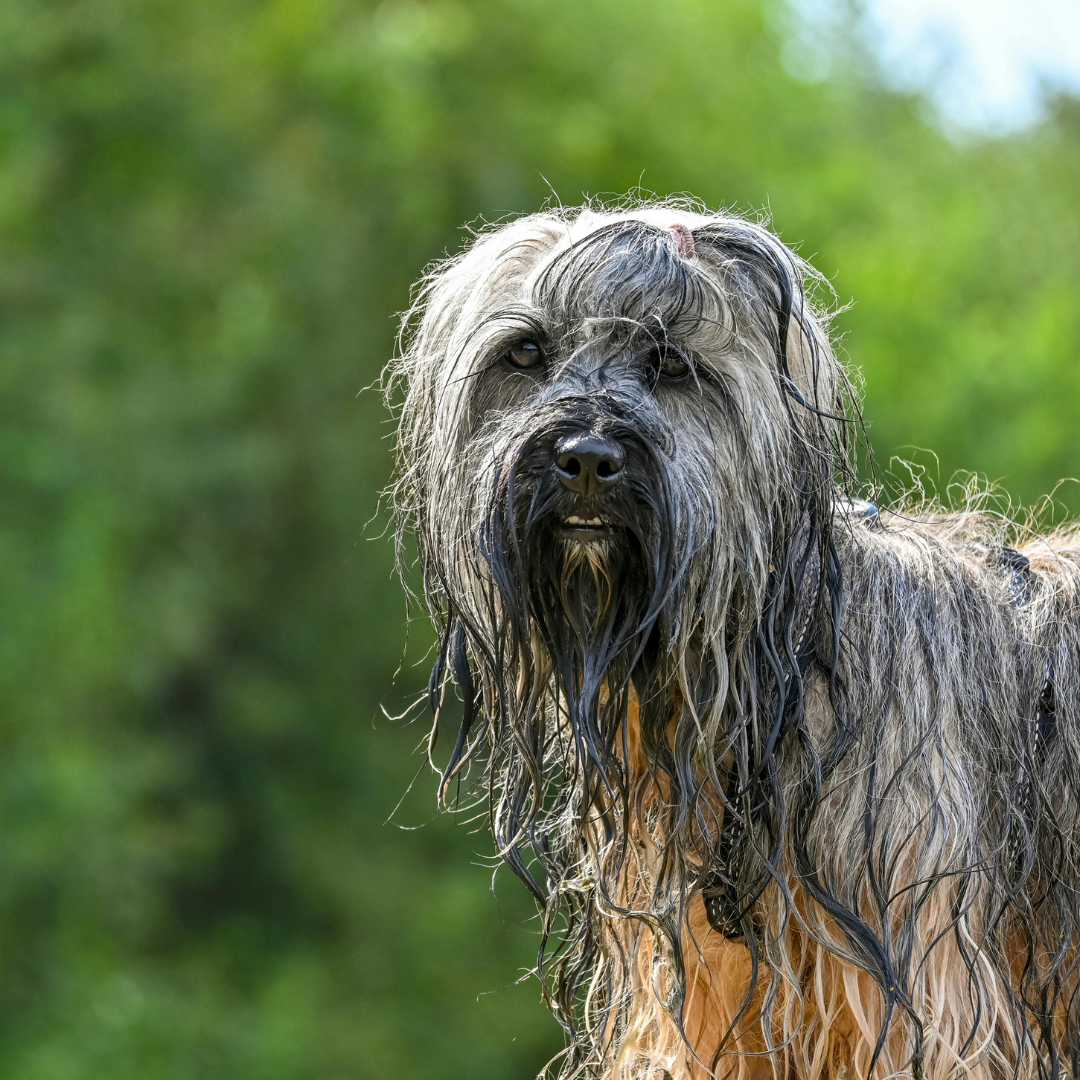
One of the biggest myths in the pet world is that dogs are supposed to smell terrible when they get wet.
Most people simply accept the infamous “wet dog smell” as part of having a dog.
But here’s something I’ve noticed over the years.
Healthy dogs often don’t have that overwhelming wet dog odor.
Yes, their scent may become slightly stronger after swimming or playing in the rain, but they shouldn’t smell like a damp locker room.
When water hits the coat, it often amplifies odors that were already there.
If a dog has yeast overgrowth, excessive skin oils, inflammation, digestive imbalances, or poor skin health, the smell becomes much more noticeable once they get wet.
In many cases, wet dog smell isn’t caused by the water.
The water is simply revealing an underlying issue that was already present.
The Gut May Be the Hidden Culprit
One of the first places I investigate when a pet develops body odor is the digestive system.
The gut influences much more than digestion.
It plays a major role in:
Nutrient absorption
Immune function
Skin health
Inflammation levels
Detoxification
When digestion isn’t functioning properly, the effects often show up in the skin and coat.
Many pet parents are surprised to learn that persistent body odor can sometimes begin in the gut.
I’ve seen this firsthand when transitioning dogs from kibble to a fresh food diet.
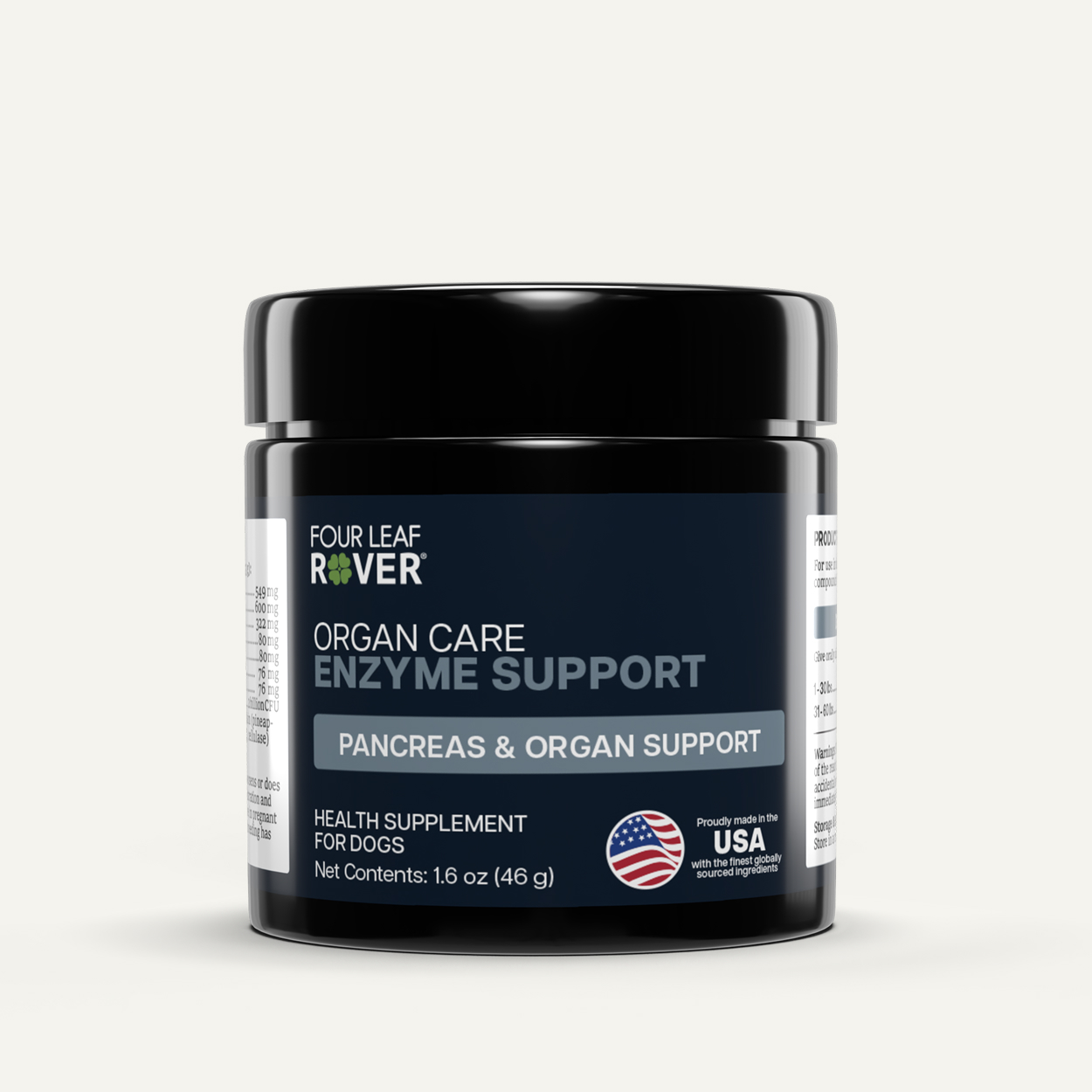
Some dogs struggle because their digestive systems aren’t producing enough enzymes to efficiently break down their new food.
I experienced this with some of my own dogs that had eaten kibble for years before switching to homemade food.
Once I added digestive enzymes and organ support, their digestion improved significantly. Their stools became healthier, they were more comfortable, and many of the digestive issues during the transition resolved.
The skin often reflects what’s happening inside the digestive tract.
Yeast Overgrowth: The Common Cause Nobody Talks About
One of the most common causes of pet odor is yeast overgrowth.
Yeast naturally exists on the skin, but when it becomes excessive, it creates a distinctive smell.
Pet parents often describe it as:
Musty
Moldy
Like corn chips
Like stale bread
Like dirty socks
You may notice the odor around:
The ears
Between the toes
Skin folds
Armpits
Groin areas
Many pets with yeast issues also experience:
Itching
Paw licking
Ear problems
Red or irritated skin
While shampoos and topical treatments may temporarily reduce the smell, addressing the factors that allowed the yeast to flourish is often the key to long-term improvement.
That Fishy Smell Isn’t Normal
If you’ve ever suddenly noticed a fishy odor coming from your dog, anal glands may be involved.
Anal glands normally empty during bowel movements.
When they don’t empty properly, they can become impacted or irritated.
Signs may include:
Scooting
Excessive licking of the rear end
Sudden fishy odors
Discomfort during bowel movements
Poor stool quality is often part of the problem because firm stools help the glands empty naturally.
Yet another reason digestive health matters.
Sometimes the Mouth Is the Problem
Many people joke about “dog breath.”
But severely foul breath isn’t normal.
Potential causes include:
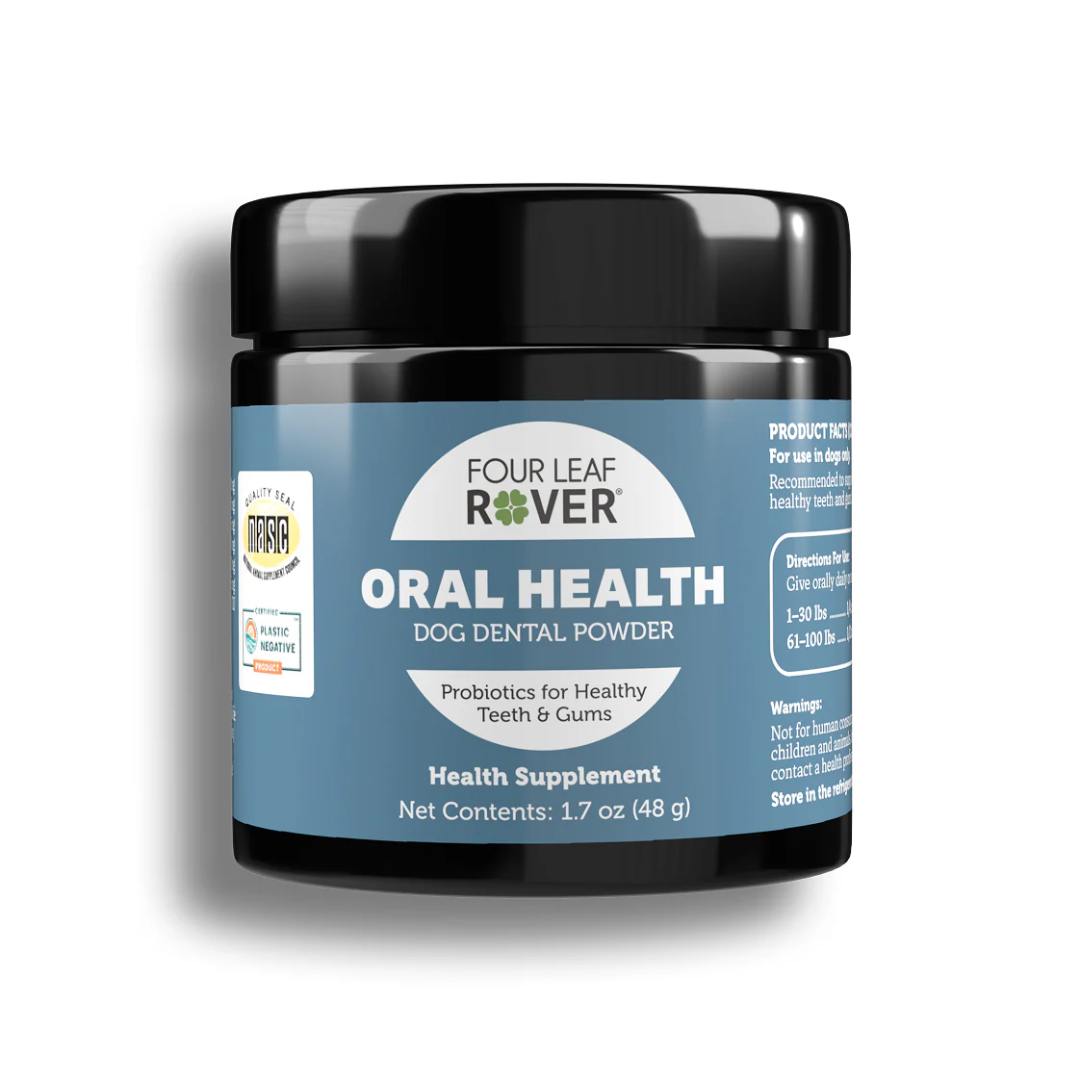
Dental disease
Tartar buildup
Gum infections
Tooth abscesses
Digestive imbalances
If your pet’s breath makes you turn your head away, it’s worth investigating further.
Dental disease is one of the most common health issues I see, yet many pets show very few symptoms until it becomes advanced.
Can Diet Make Your Pet Smell Worse?
Absolutely.
The food your pet eats becomes the building blocks for every cell in their body.
Poor-quality ingredients, excessive processing, food sensitivities, and digestive challenges can all contribute to inflammation and skin issues.
Over the years, I’ve noticed that many pets begin smelling better when they transition to a more species-appropriate diet and receive proper digestive support.
Nutrition may not be the entire answer.
But it often plays a much larger role than people realize.
Too Much Bathing Can Backfire
This surprises many pet parents.
Bathing too frequently can actually worsen odor issues.
The skin naturally produces protective oils that help maintain a healthy barrier.
When those oils are repeatedly stripped away, the skin may become dry, irritated, and more vulnerable to imbalance.
Some pets respond by producing even more oil, creating a cycle of odor, bathing, and additional odor.
Instead of focusing only on washing away the smell, it’s often more productive to ask why the smell developed in the first place.
Natural Ways to Help Reduce Pet Odor
The good news is that many odor issues improve when you address the underlying cause.
Support Gut Health
A healthy digestive system often leads to healthier skin, better immunity, and less odor.
Consider:
Feeding a fresh, species-appropriate diet
Adding digestive support when needed
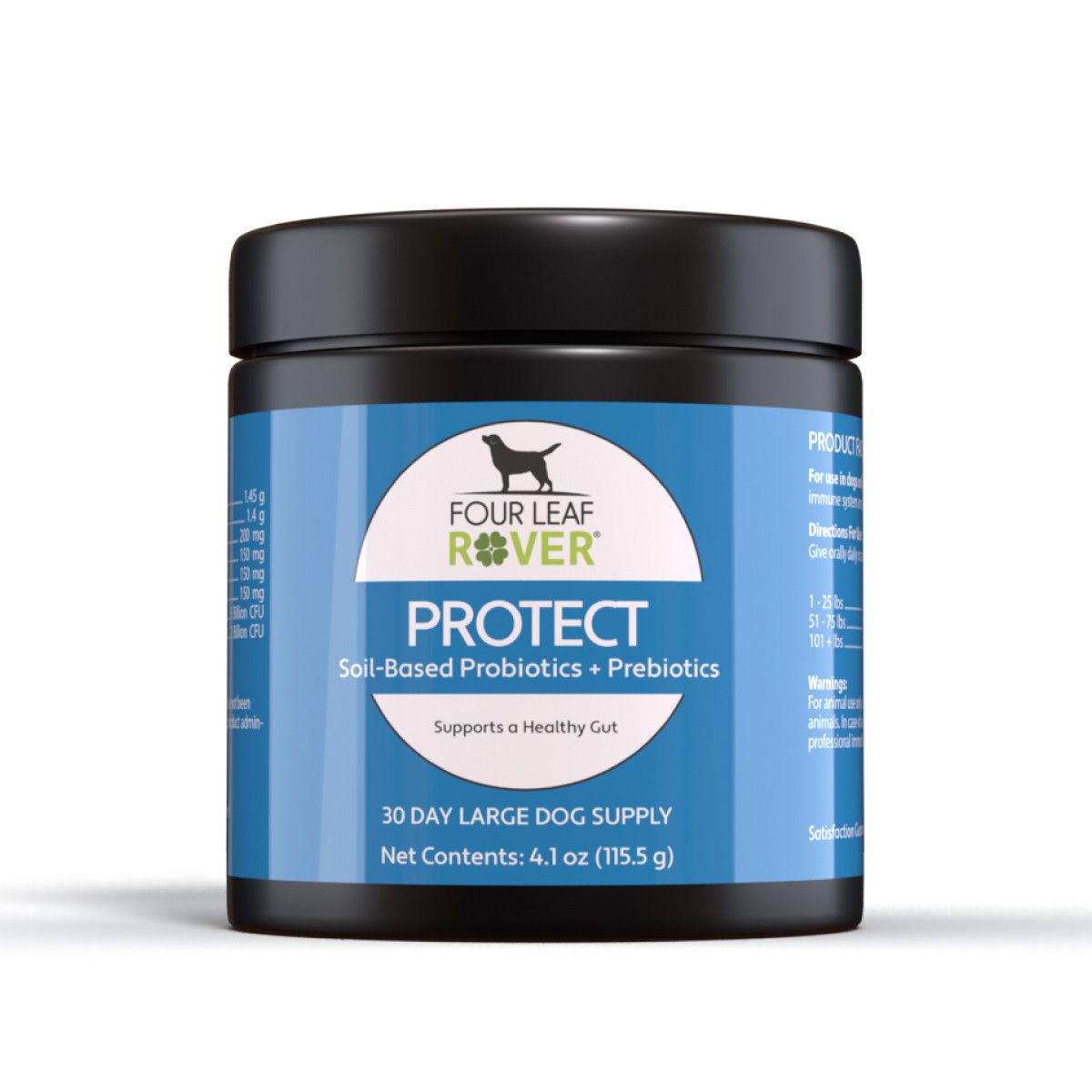
Supporting beneficial gut bacteria after antibiotic use
Avoiding frequent diet changes
Address Yeast Naturally
If yeast is contributing to the odor, look for possible underlying causes such as:
Excess carbohydrates
Chronic inflammation
Food sensitivities
Weakened immune function
Improving nutrition and supporting overall health often helps create an environment where yeast is less likely to thrive.
Improve Skin Health
Healthy skin acts as a protective barrier.
Support it by:
Providing quality fats and nutrients
Avoiding harsh grooming products
Using gentle shampoos when needed
Addressing allergies and sensitivities
Don’t Ignore Dental Health
Regular dental care can help reduce odor while supporting your pet’s overall health.
Pay Attention to Stool Quality
Your pet’s stool provides valuable information about digestive health.
When digestion improves, many pet parents notice improvements in skin health, coat quality, and odor as well.

The Smell Is the Clue
One thing I’ve learned after years of working with animals is that odor is often information.
When a dog or cat develops a strong smell, I don’t immediately look for ways to cover it up.
I start looking for the reason it’s happening.
The body has a remarkable way of communicating when something isn’t functioning optimally.
Sometimes that message appears as itching.
Sometimes it’s digestive upset.
Sometimes it’s recurring ear infections.
And sometimes it’s an odor that follows your pet wherever they go.
The smell isn’t the problem.
The smell is the clue.
When we pay attention to what the body is telling us, we often uncover opportunities to improve our pet’s health from the inside out.
The goal isn’t just a better-smelling pet.
The goal is a healthier one.