Why Cats & Dogs Get Diarrhea After Antibiotics
If your dog or cat has ever finished a round of antibiotics only to end up with loose stool, digestive upset, or diarrhea afterward, you’re not alone.
I’ve also seen this happen when switching a kibble-fed dog or cat to a more natural diet. Many dogs and cats eating processed foods have very poor gut bacteria diversity and weakened digestive health to begin with. When fresh foods are introduced, the gut sometimes struggles to adjust properly, which can lead to diarrhea and digestive upset during the transition.
It’s actually very common.
Many pet parents are surprised when the medication that was supposed to help suddenly seems to create a completely different problem. But when you understand how antibiotics affect the gut, it starts to make more sense.
Antibiotics Don’t Only Affect “Bad” Bacteria
Antibiotics are designed to kill bacteria causing infection. The problem is they often affect beneficial bacteria too.
Your dog’s digestive tract is filled with helpful microorganisms that support:
digestion
nutrient absorption
immune function
stool quality
gut lining health
When those healthy bacteria become disrupted, the digestive system can become unbalanced.
That imbalance may show up as:
diarrhea in dogs
loose stool
gurgling stomach
gas
poor appetite
digestive sensitivity
changes in stool consistency
Some dogs recover quickly. Others continue struggling long after the antibiotics are finished.
Why Some Pets Struggle More Than Others
Not every pet reacts the same way.
Senior pets, pets eating processed foods, pets with existing gut issues, or pets under stress may already have a less resilient microbiome before antibiotics even begin.
Then the medication becomes the tipping point.
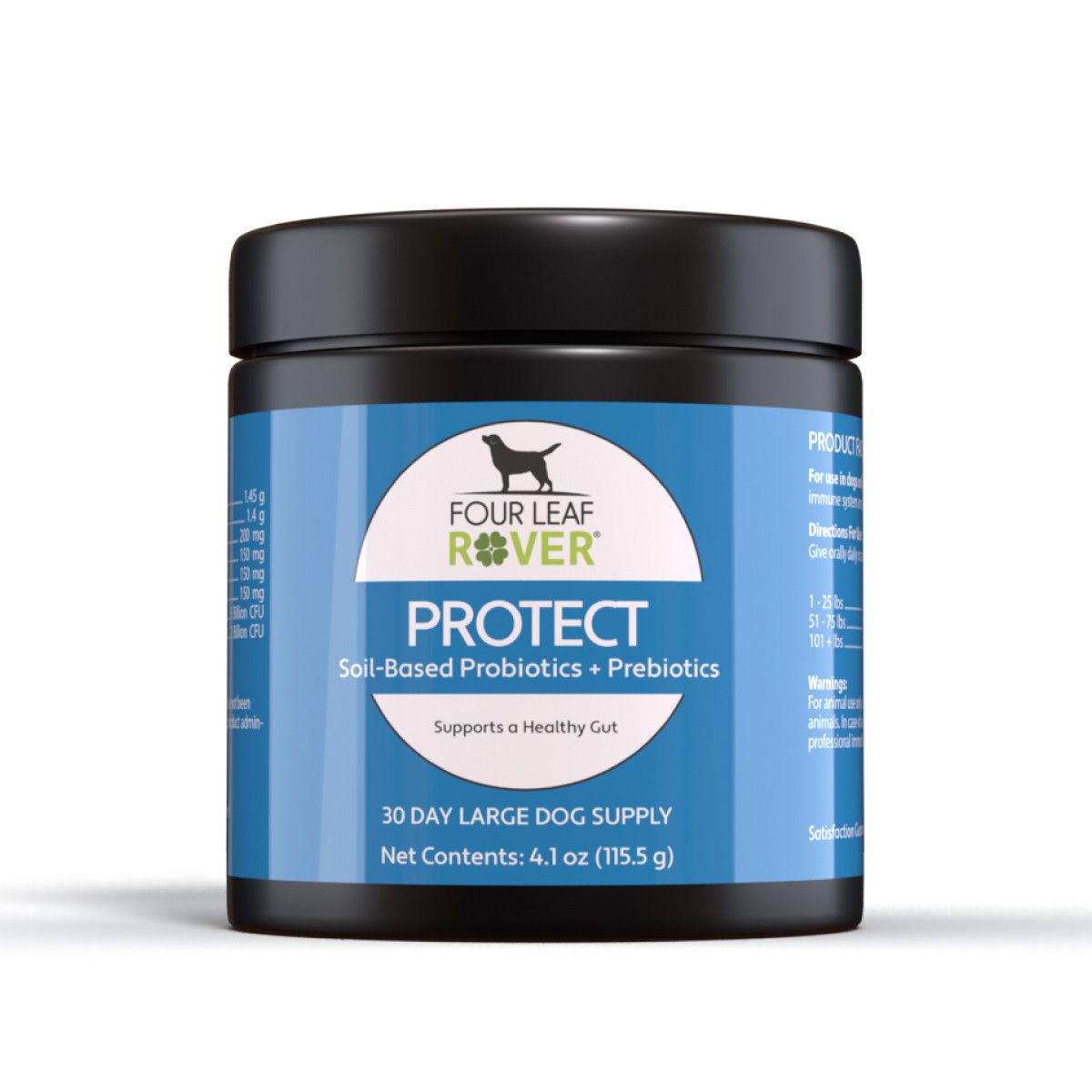
This is one reason gut support can be so important during and after antibiotic use.
The Gut Does More Than Digest Food
Many people think gut health only affects digestion.
But the gut plays a major role in the immune system too.
In fact, a large portion of immune activity is connected to the digestive tract. When the microbiome becomes disrupted, it may affect much more than stool quality alone.
Some dogs may also experience:
skin irritation
yeast issues
food sensitivities
lower resilience to stress
ongoing digestive instability
Why Saccharomyces Boulardii Is Different
Many probiotics are bacteria-based.
The problem?
Antibiotics can damage or destroy many of those beneficial bacteria strains at the same time they’re trying to help.
Saccharomyces boulardii works differently because it’s a beneficial probiotic yeast rather than bacteria.
That means it is not easily harmed by antibiotics the way many traditional probiotics are.
This makes it a popular option for dogs experiencing digestive upset during or after medications.
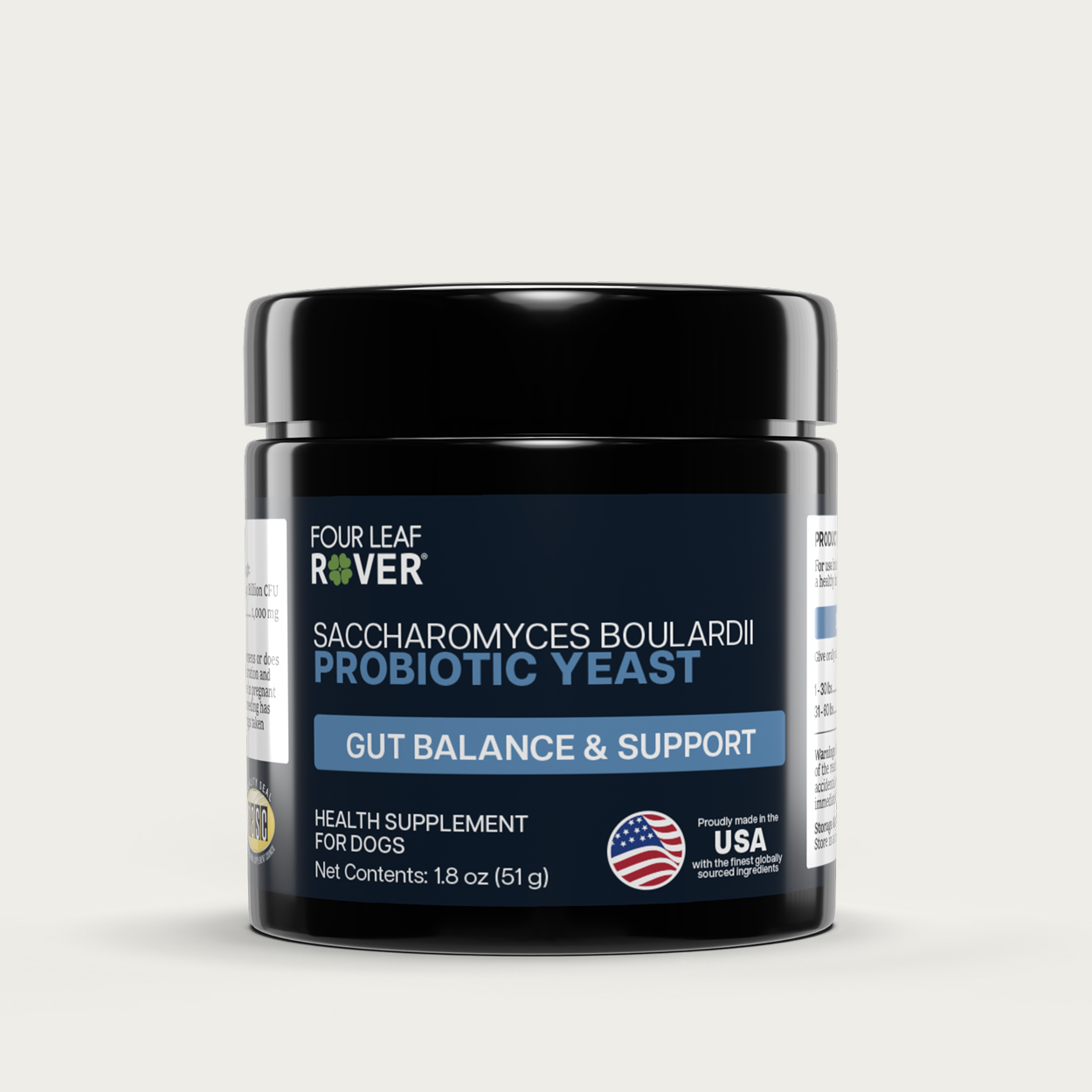
Saccharomyces boulardii may help support:
healthy digestion
normal stool consistency
gut lining function
intestinal balance
healthy immune response
What to Feed Dogs and Cats with Diarrhea
When dogs are dealing with digestive upset, simplicity is often helpful.
Many pet parents find it beneficial to:
avoid rich treats
avoid sudden diet changes
focus on gentle, digestible foods
support hydration
slowly introduce gut-support supplements
Any supplement should be introduced gradually.
Sensitive dogs and cats often do better when starting with a tiny amount and slowly building up over time.
Gut Health Is Long-Term Health
Recurring diarrhea is often the body's way of signaling that the gut needs more support.
While it's natural to want the diarrhea to stop as quickly as possible, it's equally important to ask why it's happening in the first place. In many cases, the answer lies in the health and balance of the gut microbiome.
Rather than focusing solely on managing symptoms, supporting the digestive system and rebuilding healthy gut bacteria can help create a stronger foundation for long-term wellness.
A healthy gut does much more than help your dog and cat digest food. It plays a vital role in nutrient absorption, immune function, skin health, inflammation control, and even the body's ability to respond to stress and environmental challenges.
I've found that many dogs and cats who struggle with recurring digestive issues aren't simply dealing with a stomach problem. They're often showing signs that their digestive system needs additional support.
The good news is that the gut is remarkably resilient when given the right tools. With proper nutrition, a healthy lifestyle, and targeted gut support when needed, many dogs and cats can regain balance and thrive.
Sometimes the biggest improvements don't come from chasing symptoms. They come from supporting the body where the problem started in the first place. The gut.