What Are Anal Glands in Dogs? Causes, Symptoms & Natural Care Tips
It’s a topic most dog owners would rather avoid, but understanding what are anal glands in dogs is essential for keeping your pup healthy and comfortable. These small anal glands in dogs can sometimes become blocked or infected, causing pain, odor, and discomfort. In this post, we’ll explore what causes blocked anal glands in dogs, common symptoms to watch for, and how to clean anal glands in dogs safely and naturally at home.
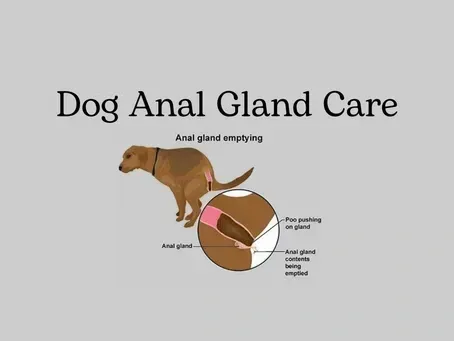
Why Do Dogs Have Anal Glands? Anal glands are small sacs located at 4 o’clock and 8 o’clock around your dog’s anus. They’re not actually glands but sacs containing oil and sweat glands that produce a foul-smelling liquid. This liquid helps your dog mark territory and communicate with other dogs. When functioning properly, these glands express naturally when your dog poops or experiences stress.
Symptoms of Impacted Anal Glands Things go wrong when the glands can’t express as they should. You might notice your dog scooting across the floor, licking or biting at their rear, or having difficulty sitting comfortably. These signs indicate that your dog’s anal glands could be impacted or inflamed. This can lead to discomfort and, if left untreated, more severe issues like abscesses or infections.
Common Causes of Anal Gland Issues A lack of fiber in your dog’s diet is one of the main culprits. Fiber helps bulk up your dog’s stool, which in turn helps express the glands naturally. Dogs fed on kibble or soft processed foods may not get the fiber they need. Diet, chemical exposure, certain medications, and even over-vaccination can also contribute to gland problems by creating inflammation and disrupting natural bodily functions.
How to Support Anal Gland Health Naturally
Diet Changes: Add soluble fiber-rich foods like pumpkin, soaked oatmeal, or apple skins to your dog’s diet. Switching to a raw or whole food-based diet that includes bone content can help create firmer stools, naturally supporting gland expression. Most insoluble fiber can make the situation worse by creating loose stools, so keep watch on your dog's stool as you add fiber to their diet.
Calendula Compress: If your dog’s glands are already irritated, a calendula compress can soothe the area. Mix a teaspoon of sea salt and a few drops of calendula tincture into warm water. Soak a cloth and hold it against the inflamed area until it cools.
Homeopathic Remedies: Silica 6C is a homeopathic option that helps the body expel pus or fluids naturally. Use it twice a day for a week, placing a few drops on your dog’s gums.
Preventative Measures Avoid manually expressing your dog’s anal glands regularly, as this can weaken their ability to express naturally.
Encourage regular exercise to strengthen the muscles around the rectum and promote healthy bowel movements.
Work with your holistic vet to address any specific foods or allergies that may irritate the glands.
By understanding the causes of anal gland issues and taking proactive, natural measures, you can help your dog stay healthy, comfortable, and odor-free.